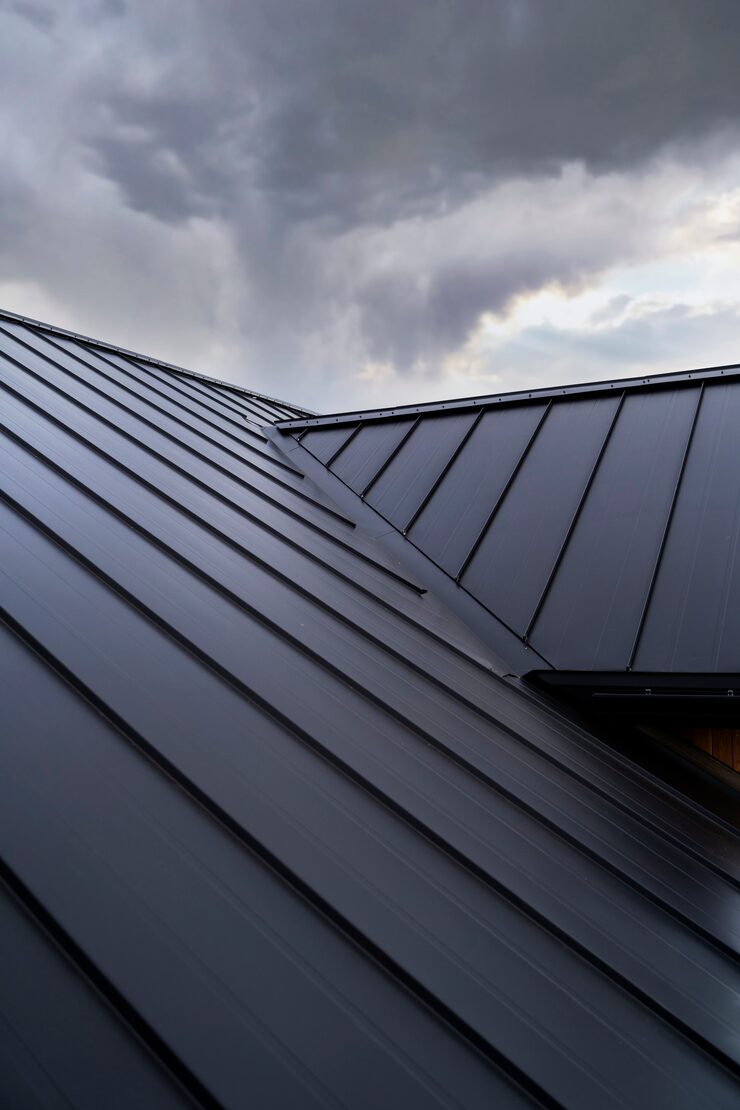
Overview: What Steel Roofing Is and Where It Stands Out
Steel roofing has become an increasingly popular choice for homeowners and builders who want long-term reliability rather than frequent replacements. Known for its strength and adaptability, steel roofing performs well across a wide range of environments when properly selected and installed. Its overall performance depends not only on the metal itself but also on factors such as panel thickness, protective coatings, fastening systems, and installation quality.
Durability and Safety: Why Steel Roofing Deserves Attention
One of the strongest advantages of steel roofing is its exceptional durability. Many well-installed steel roof systems are designed to last 40 years or more, supported by advanced metallic coatings, factory-applied finishes, and engineered panel connections. Unlike traditional roofing materials that degrade through drying, cracking, or granule loss, steel mainly faces risks from corrosion or physical impact—both of which are largely controlled through modern coating technology and proper detailing.
Safety performance further strengthens steel roofing’s appeal. As a noncombustible material, steel roofs often achieve high fire-resistance ratings, making them a practical option in wildfire-prone or densely built areas. Wind resistance is also a notable strength; when panels are installed according to tested standards, steel roofing systems can withstand severe uplift forces. Impact resistance during hailstorms or debris-heavy winds is improved through panel rigidity, secure fasteners, and quality underlayments.
Steel roofing adapts well to different climates. In colder regions, smooth panel surfaces help snow slide off more easily, reducing prolonged load stress when insulation and ventilation are designed correctly. In coastal or industrial settings, corrosion resistance becomes the primary concern. Zinc-coated and aluminum–zinc alloy–coated steel panels are selected based on exposure levels, while durable finishes provide additional protection against salt and pollutants. Careful detailing around vents, skylights, and other penetrations helps prevent leaks and protects exposed edges.
Its relatively light weight—often just one to three pounds per square foot—places less structural stress on framing compared to heavier roofing materials. This can be beneficial in seismic regions or when upgrading older homes.
Key practical considerations include:
- Longevity depends on panel gauge, coating type, finish quality, and installation precision
- Fire and wind ratings apply to tested roof assemblies, not just the panels alone
- Corrosion protection must match the site’s climate and exposure conditions
When these elements are aligned, steel roofing delivers dependable performance and peace of mind through changing seasons.
Energy Efficiency and Environmental Considerations
Energy efficiency is one of steel roofing’s understated strengths. Many modern steel roof finishes are engineered to reflect a significant portion of solar radiation, reducing surface temperatures and lowering cooling demands. Lighter colors generally provide higher reflectivity, though advanced pigments allow some darker finishes to reflect infrared heat as well. Heat emittance also contributes by allowing absorbed warmth to dissipate more quickly.
When combined with proper insulation and attic ventilation, reflective steel roofing can noticeably improve indoor comfort. In warmer climates, energy savings can be substantial, while in mixed climates the benefits depend on the balance between summer heat reduction and winter heat retention. Because winter solar gain is limited by shorter days and lower sun angles, the impact of reflectivity is usually less significant than summer cooling advantages.
From an environmental perspective, steel roofing supports sustainability goals. Steel is highly recyclable, and many panels are manufactured with recycled content. At the end of its service life, the material can be recycled again rather than sent to landfills. Its lightweight nature also reduces transportation energy compared to heavier roofing products.
Moisture control plays an important role in energy performance. Proper underlayment, ventilation, and air sealing help prevent condensation issues. In humid or mixed climates, vented roof assemblies or raised seam designs can promote drying while maintaining reflective benefits.
Helpful decision tips include:
- Select colors and finishes using verified reflectance and emittance data
- Upgrade insulation and ventilation to maximize energy performance
- Consider vented assemblies in climates with higher humidity levels
Viewing the roof as a complete system ensures steel roofing delivers its full efficiency potential.
Costs, Long-Term Value, and Budget Planning
Initial installation costs for steel roofing are typically higher than those of conventional roofing materials due to material quality, fabrication, and skilled labor. However, steel roofing is often chosen with long-term ownership in mind rather than lowest upfront cost. Over time, fewer replacements, reduced maintenance, and lower disposal costs can offset the initial investment.
Evaluating total cost of ownership provides a clearer picture of value. This includes installation, periodic inspections, minor maintenance, and eventual recycling. Steel roofs generally require less routine upkeep than materials that degrade more quickly. In areas with frequent storms, steel’s resistance to fire, wind, and impact may also reduce the risk of costly damage.
Market value and insurance considerations may further influence decisions. In some regions, durable or impact-resistant roofing systems can positively affect resale appeal or qualify for insurance incentives, depending on local policies. Warranty coverage adds another layer of protection—homeowners should review details related to coatings, corrosion, workmanship, and transferability.
When comparing bids, detailed proposals are essential. Quotes should specify panel gauge, coating type, finish system, fastening method, underlayment, ventilation improvements, and allowances for potential deck repairs.
Budgeting guidance:
- Focus on lifetime costs, not just installation price
- Ask about regional incentives or energy-related programs
- Include contingency funds for hidden structural repairs
Over decades, steel roofing often delivers a stable and predictable ownership experience.
Design Flexibility, Comfort, and Climate Suitability
Steel roofing offers wide design flexibility, with profiles ranging from sleek standing seams to textured panels that resemble traditional shingles or tiles. Modern finishes and color options allow homeowners to achieve contemporary or classic looks. Subtle panel striations help reduce visual waviness, while detailed trim work around edges and transitions enhances the finished appearance.
Noise is a common concern, but in residential construction, proper decking, underlayment, insulation, and interior finishes significantly dampen sound. Many homeowners report minimal noise, even during heavy rain. Additional sound-dampening layers can be added if acoustic comfort is a priority.
Climate-specific design choices are essential. Reflective finishes and ventilation are ideal for hot regions, while snow-shedding designs and insulation continuity matter most in cold climates. Coastal areas require careful attention to corrosion-resistant materials, fasteners, and sealants. In storm-prone zones, panel attachment methods and engineering details are critical for wind resistance.
Practical planning points:
- Coordinate profile, color, and panel detailing early in the design process
- Match coatings and fasteners to environmental exposure levels
- Plan snow guards, solar mounts, and penetrations in advance
When thoughtfully designed, steel roofing integrates well with a wide range of architectural styles while enhancing everyday comfort.
Conclusion
Steel roofing represents a balance of durability, efficiency, and long-term value. Its performance advantages are most evident when the system is carefully specified for local climate conditions and installed with precision. By understanding material options, energy implications, cost factors, and design considerations, homeowners and builders can make informed decisions that align with both practical needs and long-term goals.
With proper planning and professional installation, steel roofing can shift from being a recurring maintenance concern to a reliable, low-stress component of the home—quietly performing its role year after year.