Why Brain-Focused Fruits Matter
The brain may be small in size, but its demands are enormous. It uses a significant share of the body’s energy while constantly dealing with oxidative byproducts that can gradually stress brain cells. While no food can guarantee perfect memory or prevent cognitive decline on its own, nutrition plays an important supportive role. Diets that consistently provide antioxidants, anti-inflammatory compounds, vitamins, minerals, and fiber help maintain healthy blood flow, protect sensitive neural tissue, and support steady mental energy.
Fruits are especially valuable in this context. They deliver hydration and fiber that moderate natural sugars, while their pigments and plant compounds help defend cells against everyday wear and tear. This article highlights three fruits that have been widely studied for their potential links to brain and memory support: blueberries, citrus fruits, and pomegranate. Each offers a different nutrient profile and practical benefits, allowing you to choose options that fit your taste, budget, and routine.
To make this guide easy to use, here is what each section covers:
– Blueberries: how anthocyanins may support memory and blood flow, plus practical serving tips
– Citrus fruits: the role of vitamin C, folate, and flavanones, with simple ways to use whole fruit
– Pomegranate: unique polyphenols and gut–brain connections, including arils versus juice
– Putting it together: comparisons, storage tips, and simple daily routines
The focus throughout is practicality. These fruits are not cures, but research patterns suggest that diets rich in polyphenol-dense fruits are often associated with healthier cognitive aging. With consistency and realistic choices, they can become reliable allies for long-term brain support.
Blueberries: Anthocyanin-Rich Berries Linked to Memory Support
Blueberries are frequently discussed in brain-health research because they are rich in anthocyanins, the compounds responsible for their deep blue color. These plant pigments are studied for their ability to help counter oxidative stress, influence inflammation pathways, and support healthy blood vessel function. Together, these effects may contribute to improved blood flow in the brain.
Several small human studies have observed improvements in memory or executive function after regular blueberry consumption, particularly when intake is consistent over several weeks. Results vary, and not every study shows the same effect, but the overall evidence suggests that blueberries can be a useful part of a brain-supportive eating pattern.
From a practical standpoint, blueberries are easy to include. A typical serving is about half to one cup, and both fresh and frozen berries retain valuable nutrients. Freezing preserves anthocyanins well, making frozen blueberries a convenient and cost-effective option year-round. Their fiber content also helps slow digestion, supporting steady energy and focus rather than sharp rises and crashes.
Simple ways to enjoy blueberries include:
– Adding them to plain yogurt or oatmeal with nuts or seeds
– Blending into smoothies with greens and healthy fats
– Tossing into salads for a mild sweetness
– Keeping a small portion on hand for snacks
Compared with specialty supplements, blueberries deliver multiple benefits at once—hydration, fiber, and antioxidants—without added sugars. When eaten regularly as part of a balanced diet, they offer a practical and approachable way to support brain health.
Citrus Fruits: Vitamin C, Folate, and Flavanones for Cognitive Resilience
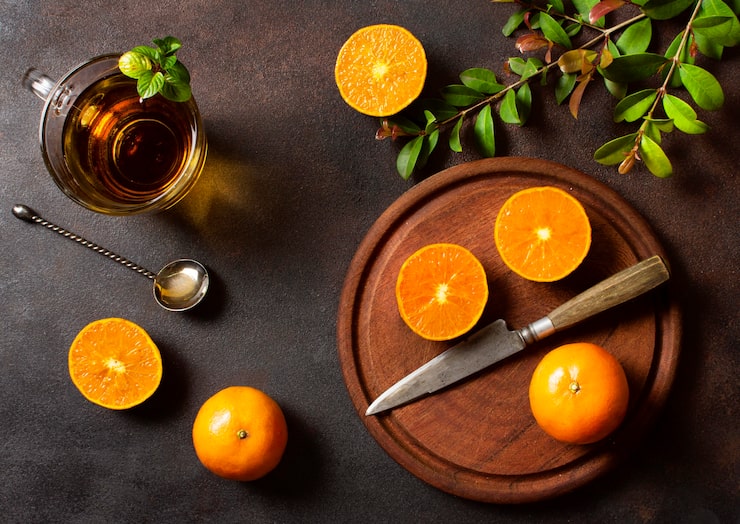
Citrus fruits such as oranges, mandarins, lemons, and limes provide nutrients closely tied to brain and vascular health. Vitamin C supports antioxidant defenses and plays a role in neurotransmitter production, which influences mood and attention. Citrus fruits also contain flavanones like hesperidin and naringin, compounds being studied for their effects on blood flow and cognitive performance.
Some research has noted short-term improvements in attention or processing speed after consuming flavanone-rich citrus products. While findings are mixed and often based on small studies, citrus fruits consistently appear in dietary patterns associated with healthy aging. Folate, another nutrient found in citrus, supports pathways linked to vascular health, which is essential for brain function.
Choosing whole citrus fruit over juice preserves fiber, helping regulate blood sugar and support gut health. The white pith beneath the peel contains additional beneficial compounds, making it worth keeping when possible.
Easy ways to include citrus regularly:
– Eat whole segments rather than relying only on juice
– Use zest to flavor salads, grains, or vegetables
– Squeeze fresh citrus over meals to enhance flavor and nutrient absorption
– Pair with protein or healthy fats for steadier energy
One important consideration is grapefruit, which can interfere with certain medications. Anyone taking prescription drugs should check with a healthcare professional before consuming grapefruit regularly. Aside from this caution, citrus fruits are affordable, widely available, and easy to store, making them a simple addition to daily routines.
Pomegranate: Polyphenol Power and Gut–Brain Connections
Pomegranate stands out for its unique polyphenols, particularly ellagitannins such as punicalagins. These compounds are transformed by gut bacteria into metabolites that may support cellular resilience and energy production, processes relevant to brain health. Early human studies have reported improvements in certain memory measures after consistent pomegranate intake, though larger studies are still needed.
When choosing pomegranate, form matters. Whole arils provide fiber along with polyphenols, supporting balanced digestion and satiety. Juice delivers a concentrated source of polyphenols but lacks fiber, so smaller portions are best, ideally paired with protein or fiber-rich foods.
Practical ways to enjoy pomegranate include:
– Sprinkling arils over grain or legume-based salads
– Mixing into plain yogurt with nuts or spices
– Adding to cooked vegetables for contrast and texture
– Using a small amount of juice mixed with sparkling water
Pomegranate complements blueberries and citrus by adding a different class of plant compounds. Rotating these fruits increases overall polyphenol diversity, which may offer broader support for brain and cellular health over time.
Putting It All Together: Simple Choices for Everyday Brain Support
Rather than choosing one “best” fruit, it is more effective to combine their strengths. Blueberries offer anthocyanins linked to memory and circulation. Citrus fruits provide vitamin C and flavanones that support antioxidant defenses and blood flow. Pomegranate adds unique polyphenols that interact with the gut microbiome.
A practical approach includes:
– Eating one to two servings of fruit spread across the day
– Pairing fruit with protein or healthy fats for balanced energy
– Using frozen fruit and seasonal options to manage cost
– Preparing fruit in advance to reduce daily effort
A simple example day might include blueberries at breakfast, citrus at lunch, and pomegranate as a snack. Over time, these small habits create a pattern that supports brain health without complexity.
Key takeaway:
No single fruit guarantees better memory, but consistent intake of polyphenol-rich fruits can support the systems that keep the brain functioning well. Choose fruits you enjoy, rotate them through the week, and focus on sustainability. Small, repeatable actions are where long-term benefits begin.