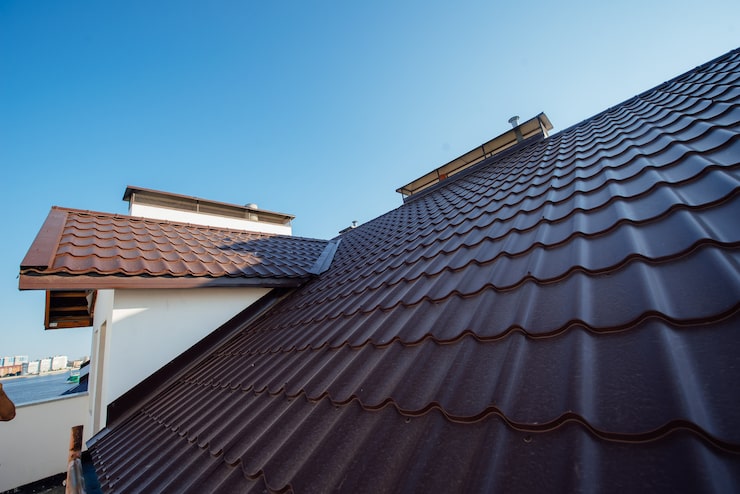
Introduction: Why Steel Roofing Deserves Attention
Steel roofing combines durability, visual appeal, and long-term performance, making it a strong contender for homeowners evaluating roofing options. Known for its ability to withstand harsh weather and deliver decades of reliable service, steel roofing also offers design versatility—from rustic styles to sleek, modern finishes. However, selecting the right roof requires more than liking the look. Factors such as panel type, protective coatings, budget, and climate suitability all play a critical role in making an informed decision.
What Defines Steel Roofing: Strength, Profiles, and Protection
A roof functions as your home’s primary defense system, and steel excels in this role due to its exceptional strength-to-weight ratio. It provides strong resistance against wind, impact, and environmental stress without placing excessive load on the structure. When properly manufactured and installed, steel roofs can last several decades, often surpassing the lifespan of traditional roofing materials.
Steel roofing comes in several profile styles. Standing seam panels feature concealed fasteners and clean, modern lines while allowing natural expansion and contraction. Corrugated or ribbed panels use exposed fasteners and are typically more economical but require periodic maintenance of screws and seals. Modular steel shingles or tiles replicate the appearance of slate, clay, or wood while maintaining lightweight performance and effective water shedding.
Material thickness, known as gauge, influences durability and appearance. Residential steel roofing generally ranges from 29 to 24 gauge, with thicker panels offering improved dent resistance and reduced surface waviness. Protective coatings are equally important. Galvanized and aluminum-zinc coatings shield steel from corrosion, while advanced paint finishes preserve color and provide additional protection from ultraviolet exposure. These layered systems work together to deliver long-term reliability.
Compared to asphalt shingles, steel roofing is lighter, more wind-resistant, and fire-safe. When measured against aluminum, steel offers greater stiffness and often lower cost, though aluminum performs better in coastal environments. Against heavy materials like tile or slate, steel provides similar aesthetics with far less structural strain. Selecting the right configuration ensures steel performs at its best in any setting.
Key points to remember:
- Match roof profile to design preference and environmental exposure
- Concealed fasteners reduce maintenance and allow thermal movement
- Thicker gauges minimize cosmetic distortion
- Coating quality directly impacts lifespan and performance
Cost Considerations and Long-Term Value
Initial installation costs for steel roofing are generally higher than basic asphalt shingles but often comparable to premium roofing materials. Pricing depends on panel style, roof complexity, underlayment choices, and finishing details such as vents and snow guards. Labor costs also vary by region and roof design.
Looking beyond upfront expenses reveals steel’s long-term value. Its extended lifespan minimizes replacement cycles, reducing future labor, material disposal, and disruption. Maintenance is typically limited to inspections, cleaning debris, and addressing minor surface wear. Many insurance providers recognize steel’s resistance to fire and extreme weather, sometimes offering reduced premiums.
When evaluating cost efficiency, many homeowners calculate annualized expense by dividing total installation and maintenance costs by expected lifespan. Over time, steel often proves financially competitive. Energy-efficient coatings can further reduce cooling expenses in warmer climates, adding to its overall value. Still, in mild regions with limited weather risks, aesthetic preference may be the deciding factor.
Budget planning tips:
- Include contingency funds for hidden deck repairs
- Simpler roof designs lower labor costs
- Quality underlayments improve longevity
- Request detailed, itemized estimates
Energy Efficiency, Comfort, and Noise Control
Steel roofing contributes to energy efficiency through reflective coatings that reduce heat absorption. In warm climates, these finishes help lower attic temperatures and cooling costs. In colder regions, steel roofing supports effective snow shedding and works best when paired with proper insulation and air sealing.
Noise concerns are common but often overstated. When installed over solid decking with quality underlayment and adequate insulation, steel roofing performs similarly to other roofing types in sound control. Additional acoustic layers can be used where extra sound dampening is desired.
From a sustainability standpoint, steel roofing contains high recycled content and is fully recyclable at the end of its lifespan. Its lightweight nature reduces transportation emissions, and compatibility with solar systems makes it an environmentally responsible option.
Comfort-focused considerations:
- Choose reflective coatings for hot climates
- Ensure proper attic ventilation
- Use sound-dampening layers if needed
- Plan solar integration during roof design
Climate Compatibility and Site-Specific Factors
Steel roofing adapts well to diverse climates when properly specified. In high-wind areas, reinforced fastening systems and edge detailing enhance performance. Regions prone to hail benefit from thicker panels and textured finishes that minimize visible damage.
Fire-prone zones gain protection from steel’s noncombustible properties, especially when paired with ember-resistant detailing. In snowy regions, steel’s smooth surface promotes snow shedding, though snow guards should be installed near entrances for safety. Coastal environments demand enhanced corrosion resistance, using specialized coatings and stainless fasteners to combat salt exposure.
Environmental factors such as tree coverage, sun exposure, and neighborhood regulations may also influence profile and finish selection.
Site evaluation checklist:
- Confirm wind and impact ratings
- Add snow management features where needed
- Use fire-resistant components in wildfire zones
- Select corrosion-resistant materials near coasts
- Maintain drainage paths in shaded or wooded areas
Installation Quality, Maintenance, and Common Mistakes
Successful steel roofing depends heavily on proper installation. A sound deck, appropriate underlayment, and precise flashing work are essential. Roof penetrations must be carefully sealed using compatible materials to prevent leaks and corrosion. Allowing for thermal movement is critical, especially on long panel runs.
Maintenance is simple but important. Annual inspections, debris removal, and prompt touch-ups preserve appearance and function. Avoiding incompatible metals and addressing small issues early helps prevent long-term damage.
Common errors include poor ventilation planning, overreliance on sealants, and neglecting thermal expansion requirements. Proper documentation of materials and installation supports warranties and future maintenance.